W
E
B

R
E
S
E
R
V
A
T
I
O
N

D-ISMクリニック TOKYO

D-ISM Clinic Tokyo
Therapeutic & Cosmetic Regenerative Medicine

D-ISM Clinic Tokyo

D-ISM Clinic Tokyo
Therapeutic & Cosmetic Regenerative Medicine

Fibroblast Transplantation

Regenerative Medicine Using Cultured Cells for Younger, Glowing Skin.
Cutting-edge skin rejuvenation technology and fibroblast transplantation help skin cells regain their youth memory and glow naturally.
Our clinic exploits this advanced technology and technique in using fibroblasts, which will be extracted from the patient's skin cells, to tackle an array of skin concerns such as face lines/wrinkles, sagging skin, and scars.
Skin rejuvenation procedures at our clinic use the patient's own cells. This means that they are safe and rarely cause adverse reactions.
Furthermore, collected skin cells can be preserved for an indefinite period, meaning that our patients can receive periodic follow-up treatment to maintain the youthful look of their skin and delay its aging.
Once collected, your skin cells will be stored at one of the largest special facilities in Japan where stringent control measures are in place, so that the quality of your skin cells will be maintained at a gene level.

What is Fibroblast Transplantation?

Fibroblast transplantation starts with collecting a patient's fibroblasts. The collected fibroblasts will be sent to, and cultured at, a special facility certified by the Ministry of Health, Labor and Welfare. Once a sufficient cell count increase (approximately 10,000-fold) is noted, the cultured cells will be transplanted back into the patient's body parts of concern to address age-related lines and wrinkles, sagging skin, and excessive skin thinning. Fibroblast transplantation aims to improve the inner power of the patient's skin through rejuvenation, thereby removing lines and wrinkles, tightening sagging skin, and giving the skin a supple and younger appearance. Lines and wrinkles develop due to aging and are attributable to the loss of skin cells. This means that reversing the loss of skin cells will likely lead to a radical improvement in such skin conditions. Fibroblast transplantation can also delay skin aging by repairing and reactivating skin tissue.
What is Fibroblast Transplantation?
What are Fibroblasts?

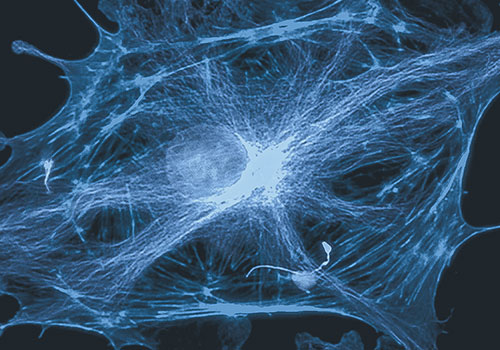
Fibroblasts produce key components critical to a healthy skin structure, including collagen fibers, hyaluronic acid, and elastin.
What are Fibroblasts?

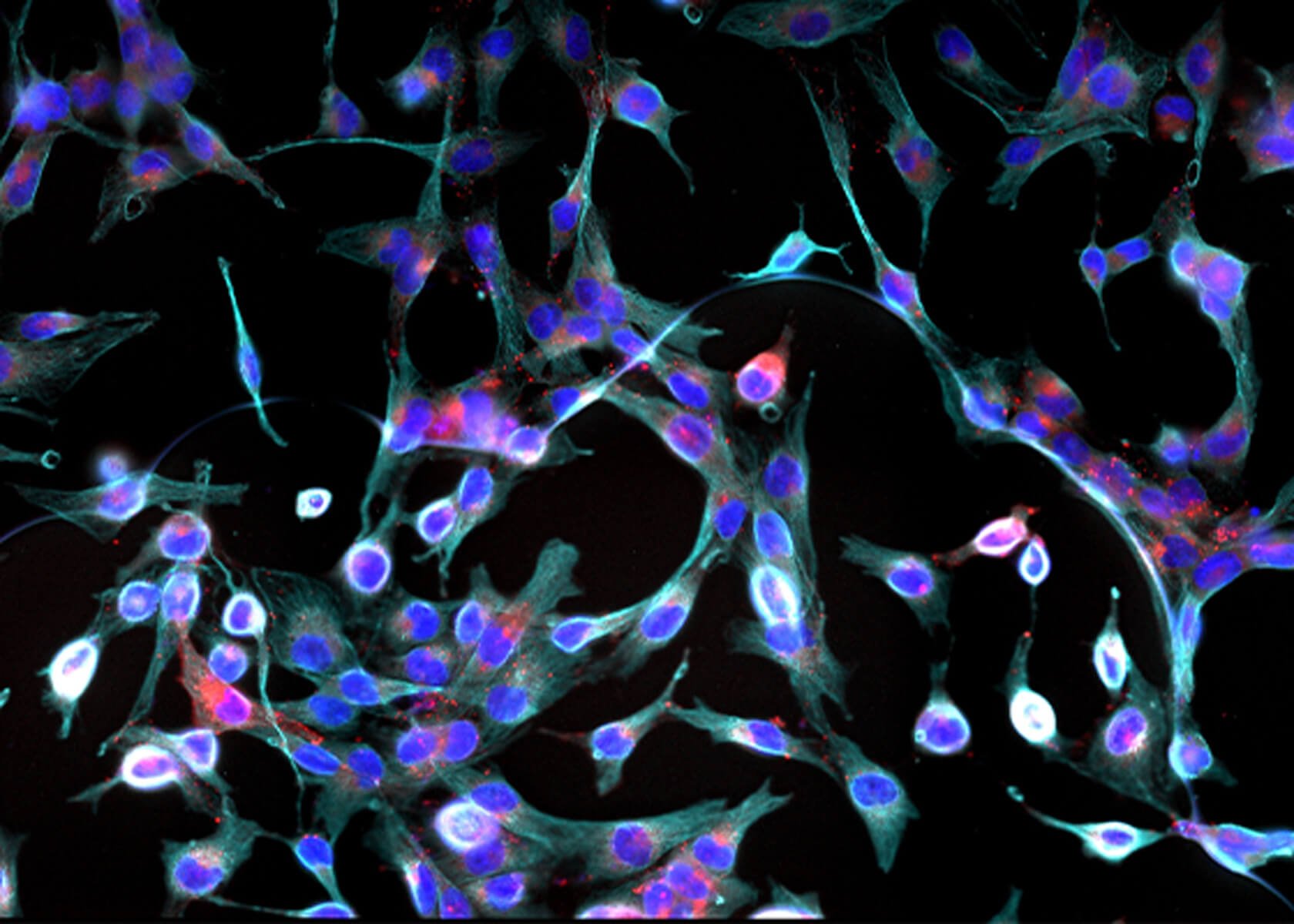
Fibroblasts are a type of cell that are derived from stem cells present in the skin.
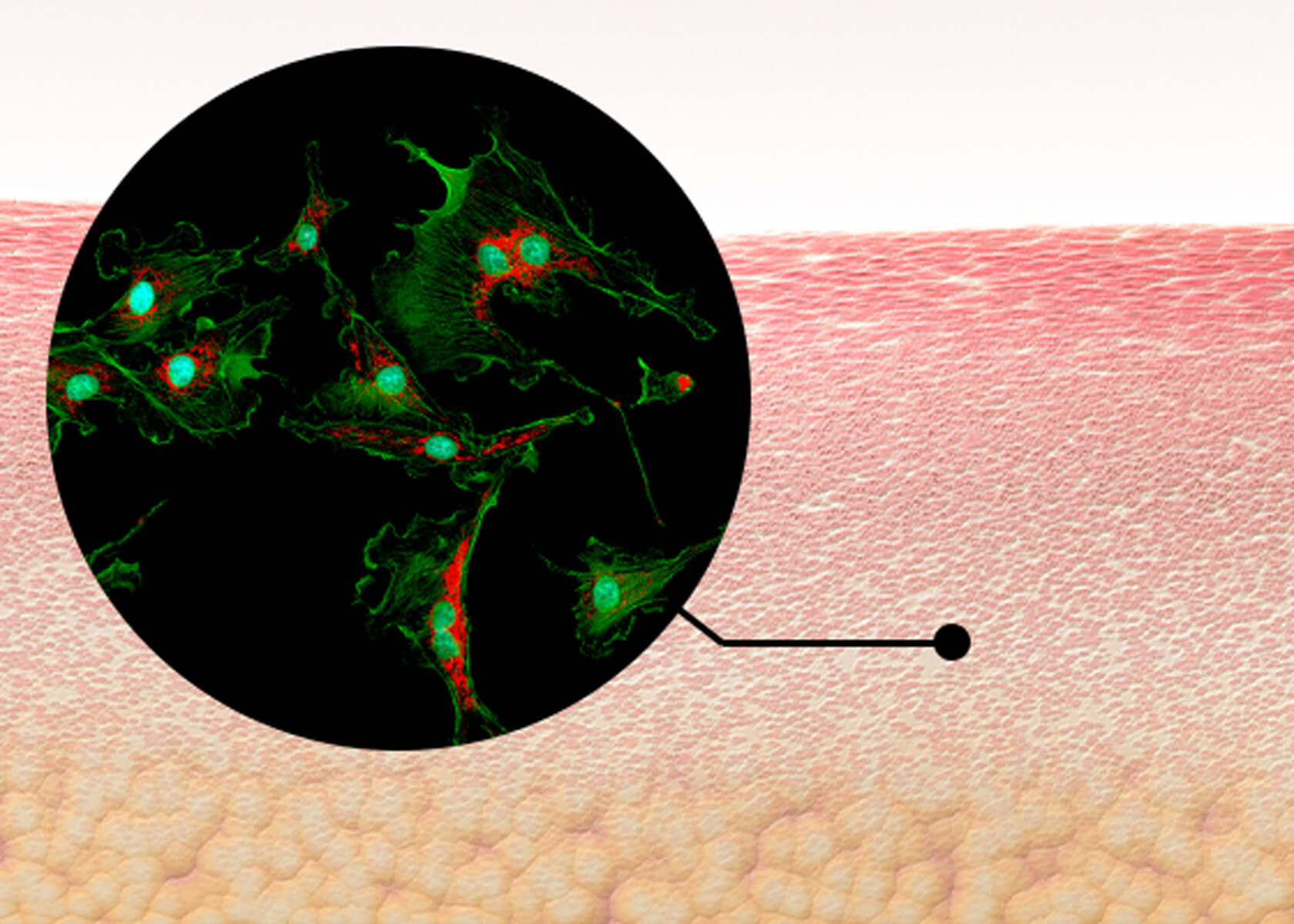
Fibroblasts, which can be found in the dermal layer of the skin, are a critical component of the skin structure, producing substances that maintain the skin's structural framework, such as collagen and elastin.
These substances are indispensable for the skin to maintain its elasticity and tightness as well as its healthy and younger appearance. The structure and functionality of the skin are maintained by fibroblasts.

Mechanism of Fibroblast Transplantation

We use dermal fibroblasts derived from your body to reverse skin aging. In doing so, we culture and grow your cells at a dedicated laboratory, and subsequently transplant the cultured fibroblasts back into your skin to activate the skin cells and restore the skin condition.
Once transplanted, fibroblasts bind to skin cells, leading to the restoration and repair of damaged skin tissue. It is expected that fibroblast transplantation helps regain younger-looking skin through the mechanism described above.
Restored cells form a dense structure and are repositioned in the optimal fashion, allowing the skin to regain its original elasticity and firmness.
Outcomes You Can Expect from <span>Fibroblast Transplantation</span>

Outcomes You Can Expect from Fibroblast Transplantation

Fibroblast transplantation at our clinic collects cells from a patient's skin and cultures them to obtain high-quality fibroblasts. A large amount of such cultured fibroblasts will be transplanted back into the patient's skin to allow it to regain its younger appearance. Outcomes that can be expected from fibroblast transplantation include improvements in skin lines and wrinkles, eye bags, lines around the mouth, dull and tired skin, pigmentation, acne scars, large (open) facial pores, and neck lines and wrinkles. The most notable advantage of fibroblast therapy is that patients can continue using the young cells they preserved years earlier. Moreover, fibroblast therapy can slow down the rate of skin aging, meaning those who have received the therapy can expect long-term anti-aging effects.

Techniques for Handling Fibroblasts

Two fibroblast transplantation techniques are available at our clinic. Your doctor will select the optimal one for the best outcome possible.
Nappage Technique

Nappage Technique

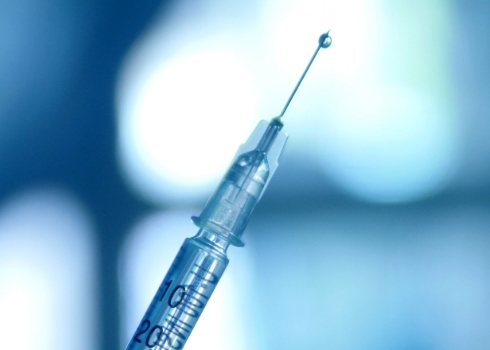
This is an advanced injection technique. The practitioner uses a very fine needle to effectively deliver a solution to the targeted areas.
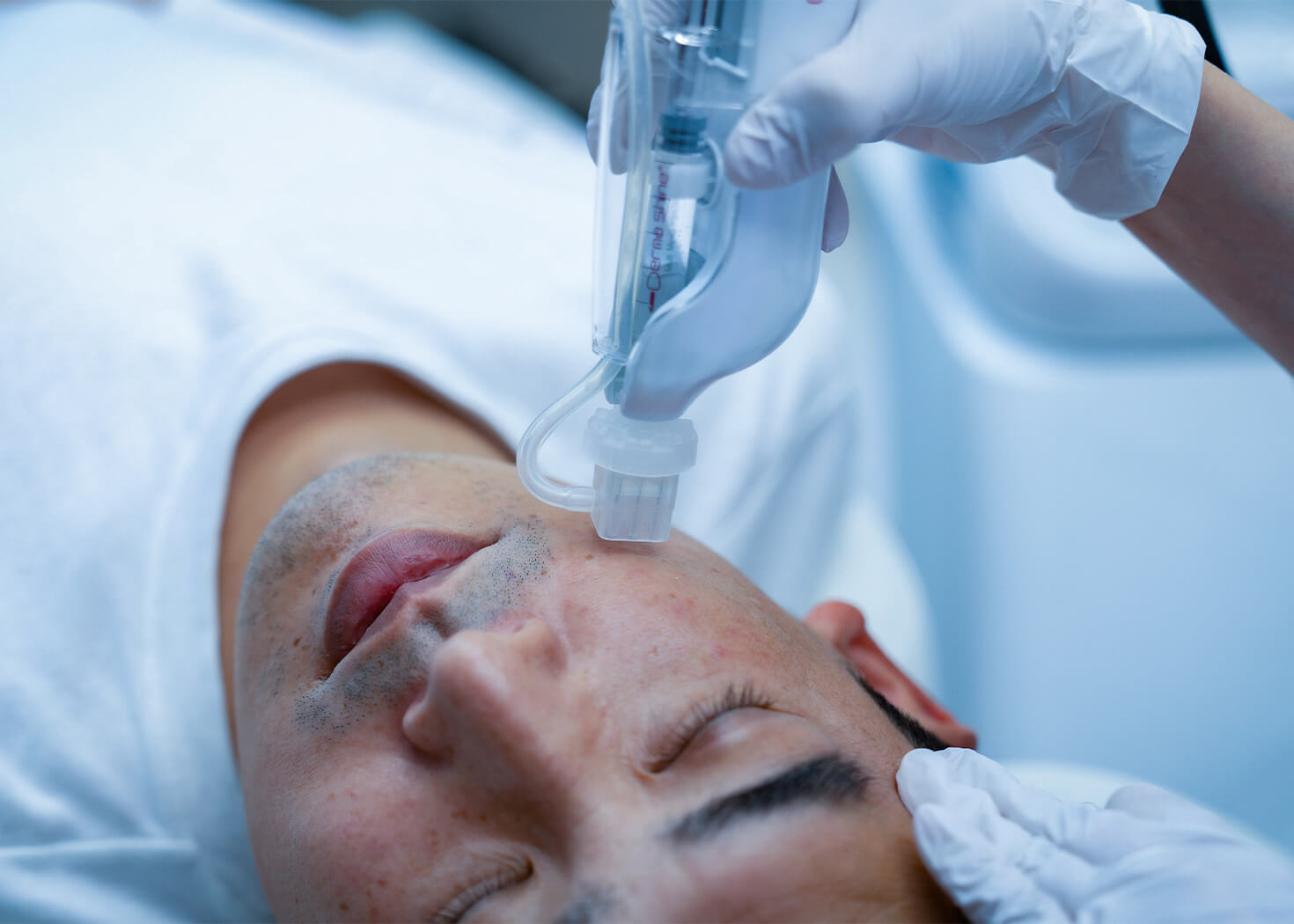
Water-Light Injection Technique

Water-Light Injection Technique
Our special equipment allows solutions to be distributed efficiently and evenly in the skin. With the use of this equipment, the injected solution permeates to the optimal depth.

Steps of Fibroblast Transplantation

STEP1
Consultation with a doctor (20 minutes)
Please come to the clinic at your appointment time. Tell your doctor about your symptoms and concerns. The doctor will then examine your body parts of concern. Following the examination, the doctor will give you a detailed explanation of regenerative medicine and available procedures at our clinic. You may take a blood test on the same day if you decide to undergo treatment.
STEP2
Blood test (5 minutes)
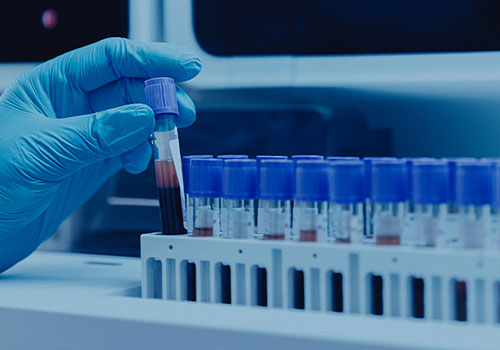
We will collect a sample of your blood to test for five items (syphilis, hepatitis B, hepatitis C, HIV, human lymphotropic virus).
STEP3
Skin tissue collection (15 minutes)
Once the blood test is completed (approximately one week after the blood test, or at a later date), we will collect a small piece (1 cm × 0.5 cm) of your skin (dermal fibroblasts) from the back of your ear. We use anesthesia for this procedure, so you will feel no pain.
STEP4
Culture and engineering (5 weeks)
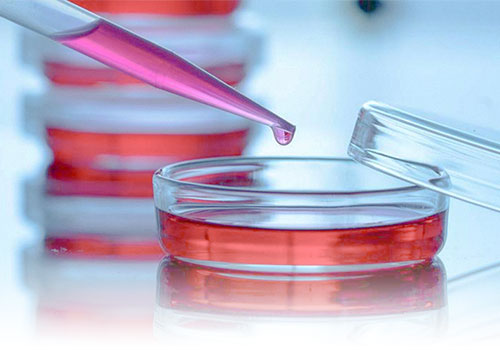
The collected skin tissue will be sent to Cellbank Corp. (Site Number: FA3150017), where fibroblasts will be extracted from the skin and cultured until its cell count increases 10,000-fold. Cellbank Corp. is a cell engineering and manufacturing laboratory certified by the Japanese Ministry of Health, Labor and Welfare. After using the amount necessary for the procedure, you may choose to freeze and store the remaining, unused fibroblasts.
STEP5
Transplantation (Session 1)
(20 minutes for topical anesthesia, 30 minutes for the transplantation procedure)
Approximately five weeks after the prior step, we will inject (using a very fine needle) the cultured fibroblast transplant into your skin. A water-light injector may be used depending on the size of the area to be treated. Upon completion of the procedure, the injected dermal fibroblasts will start repairing damaged skin tissue.
STEP6
Transplantation (Sessions 2 to 4)
(20 minutes for topical anesthesia, 30 minutes for the transplantation procedure)
Two weeks after the prior session, we will transplant further fibroblasts into the same site(s). Transplanting fibroblasts into the same site consecutively over two sessions will allow the cells to be engrafted more firmly. Some of the results you can expect from this procedure are improved skin elasticity and firmness as well as reduced aging symptoms such as lines/wrinkles and sagging skin.
STEP7
Periodic follow-up care (Transplantation Session 3 and subsequent sessions)
Your skin cells may be frozen and preserved. They can be used for maintenance procedures which may be done every year or two. Skin cells can be preserved for an indefinite period, so the patient can continue using their skin cells that have not aged since collection for the coming years, or even decades.

About Cellbank Corp., Where Your Cells Will Be Cultured and Stored

We are partnered with the certified cell engineering and manufacturing laboratory Cellbank Corp. (MHLW-Certified Site Number: FA3150017) for the culture and storage of our patients' cells.
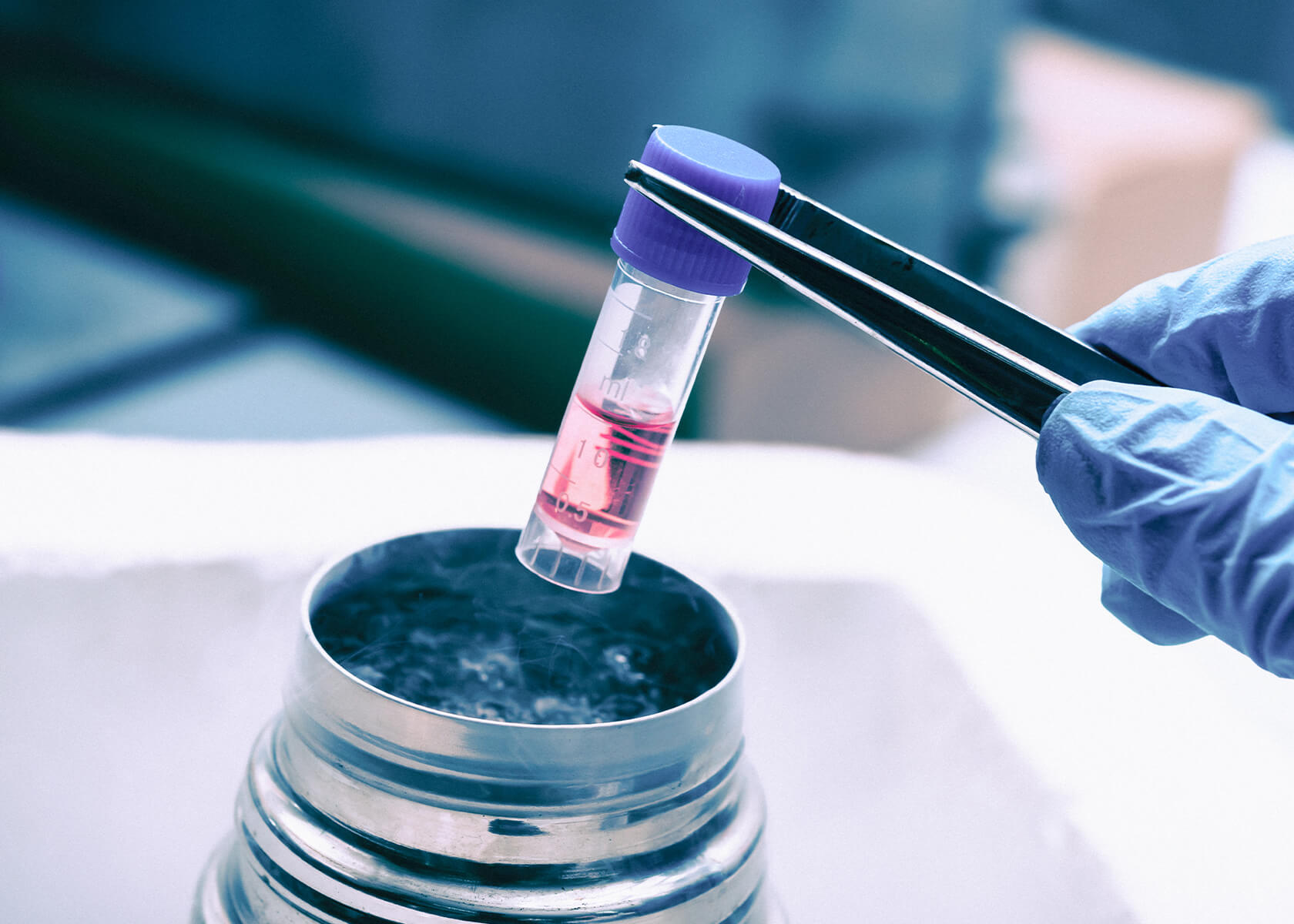
Skin cells collected from a patient are frozen and stored in a tank filled with liquid nitrogen at -196°C. The patient can thaw and use these cells for further treatment years later.
About <span>Cellbank Corp., Where Your Cells Will Be Cultured and Stored</span>

Doctor's Message

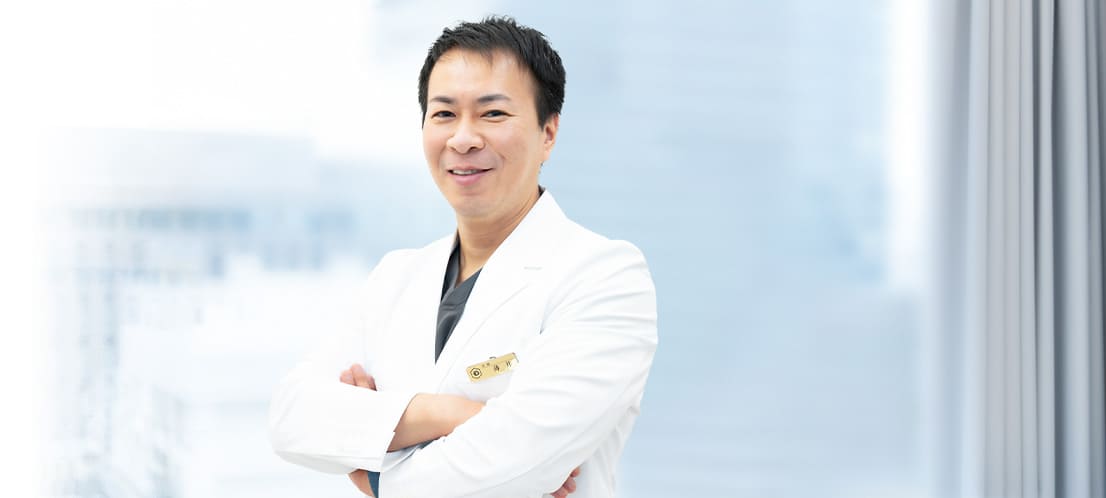
Fibroblast transplantation is a novel treatment and a subject of interest to a wider community. The treatment facilitates skin restoration by using the patient's own cells and thereby addresses their age-related concerns. Aging is the primary cause of the loss of fibroblasts.
Fibroblast transplantation aims to regain your skin's elasticity and firmness by activating and growing fibroblasts.
Fibroblasts are a critical component of connective tissue in the skin, producing ingredients that make up the dermis, such as collagen, elastin, and hyaluronic acid.
Fibroblast transplantation employs an innovative approach that not only reverses skin aging but also maintains the beautiful appearance of your skin into the future.
If you are interested in this treatment, please contact us. We would be delighted to answer any questions.

An Extensive Review Process by the Special Accreditation Committee for Regenerative Medicine

We are a medical institution certified by the Special Accreditation Committee for Regenerative Medicine of the Regenerative Medicine Advancement Association. The certification was granted based on the protocol we submitted for dermal fibroblast transplantation.
Type 2 Regenerative Medicine Protocol Number: PB3230097
Doctor's Message

Frequently Asked Questions and Answers

Does the D-ISM Clinic Tokyo culture and store cells on-site?
No. Cells collected at our clinic will be sent to the certified cell engineering and manufacturing laboratory Cellbank Corp. for culture and storage. We are partnered with this laboratory. You will need to sign a contract directly with Cellbank Corp. for the storage of your cells, and Cellbank Corp. will charge you for the storage.
Is this treatment available at other clinics?
This treatment must be performed under the revised version of the Act on Securing Safety of Regenerative Medicine (dated 11/25/2014). In order for a medical institution to legally offer this treatment, they must submit the relevant protocol to the Ministry of Health, Labor and Welfare and obtain approval. This means that only approved clinics may offer this treatment.
How many clinics are there that legally offer fibroblast transplantation?
This treatment is offered at a limited number of clinics, and the D-ISM Clinic Tokyo is one of them. Doctors in our team have a deep knowledge of regenerative medicine, so you can feel safe and cared for throughout the treatment period.
Should I be worried about safety?
The risks of allergic reactions and adverse reactions associated with this treatment are extremely low because your own cells will be cultured and transplanted back into your body. We will also interview you to ensure that the likelihood you develop adverse reactions to anesthesia and other medications is minimal.
I do not live in Japan. Can I receive treatment at your clinic during my visit to Japan?
Yes, of course. Any adult can receive treatment at our clinic if: they have given informed consent to receive treatment; and they are negative for all the items tested, such as infections.
Will the site where cells have been transplanted age?
The cells transplanted back into your skin will be engrafted and become part of the skin tissue, so the transplant site will age naturally.
You may opt for follow-up treatment every year or two in which additional young, active fibroblasts will be injected into your skin to supplement the function of aging cells. The follow-up treatment helps cellular turnover, allowing your skin to maintain its healthy appearance.

Points to Note When Receiving Fibroblast Transplantation

Anesthesia
Local anesthesia for cell collection
Topical anesthetic cream for cell transplantation
Bathing and washing the face
You can start bathing and washing your face the following day after the procedure. * Do not rub or scrub the treated area. Rinse the area with warm water.
Downtime
After treatment, you may develop the following conditions at the treated site: reddening, swelling, transient pigmentation, skin discomfort, dryness, skin depressions/lumps and bumps, and injection site bruising. Most of them improve with time.
Points to Note
Please let your doctor know if you are taking anticoagulant medications or anti-allergic medications.
You may not be eligible for the treatment if you are pregnant or breastfeeding.

Price

Various Fees

Blood Test Fee
Infections
¥16,500(税込)
Fees for skin tissue collection and cell extraction & culture
Collecting skin tissue from the posterior aspect of the ear + cell extraction & culture (600,000,000 cells)
¥396,000(税込)

Cell Extraction Cancellation Fee

Cancellation fees apply if you cancel your treatment due to personal reasons. These fees are to cover the cost of skin tissue collection and the extraction and culture of dermal fibroblasts that have already been initiated. Cancellation fees will be calculated as per the table below.

Cancellation on or after the date of skin tissue collection (for the procedures including skin tissue collection and subsequent cell extraction and culture)
Day 0 (the date of skin tissue collection) to Day 1
10%
Day 2 to Day 13
30%
Day 14 to Day 27
50%
Day 28 and thereafter
100%

Transplant Volume

Examples: eye bags, sagging cheeks and face lines, crow's feet, lines around the mouth, marionette lines, frown lines
Approximate injection volume: 1 cc
¥165,000(税込)
Examples: forehead wrinkles, neck lines/wrinkles, wrinkly hands (back of the hand)
Approximate injection volume: 2 cc
¥297,000(税込)
A combination of two sites listed above
Approximate injection volume: 3 cc
¥396,000(税込)
Entire face
Approximate injection volume: 4 cc
¥528,000(税込)

Cultured Cell Transplantation Cancellation Fee

Cancellation fees apply if you cancel your treatment due to personal reasons. These fees are to cover the cost of dermal fibroblast engineering and preparation for cell transplantation.
Cancellation fees will be calculated as per the table below.

Cancellation fees are calculated based on the number of days remaining before the date of your scheduled transplantation. When calculating a cancellation fee, the applicable rate in the right column of the table will be applied to the fee for your chosen treatment.
14 or more days before the scheduled transplantation date
0%
8 to 13 days before the scheduled transplantation date
50%
1 to 7 days before the scheduled transplantation date
70%
Day 0 (the date of transplantation)
100%
particle-bg