D-ISM Clinic Tokyo
Therapeutic & Cosmetic Regenerative Medicine
Therapeutic & Cosmetic Regenerative Medicine


Skin rejuvenation therapy using autologous platelet-rich plasma (PRP)
Autologous dermal fibroblast transplantation
In Japan, regenerative medical interventions are divided into three categories, namely Type 1, Type 2, and Type 3, depending on the level of risk associated with the intervention. These categories are outlined in the Act on Securing Safety of Regenerative Medicine, which stipulates the various aspects of the practice of regenerative medicine such as therapeutic procedures and cell culture and engineering.
High-risk regenerative medical interventions belong to Type 1. Most such interventions are still in the clinical trial stage, and the absence of preventable harm to a patient is yet to be proven. Type 1 regenerative medical interventions are primarily conducted in universities and research institutes.
Regenerative medical interventions categorized as Type 2 use human somatic stem cells, which are undifferentiated cells naturally present in the human body. Type 2 regenerative medical services can only be provided at limited sites.
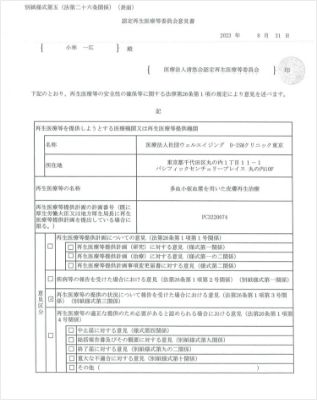
Most PRP therapies and cancer immunotherapies belong to Type 3. Type 3 regenerative medical interventions involve lower risks compared to their Type 1 and Type 2 counterparts and can be performed at any medical institution that has submitted the relevant protocol and obtained approval from the Ministry of Health, Labor and Welfare. The number of facilities providing Type 3 regenerative medical services has been constantly increasing.